Photography immortalizes nothing and no one, and carries its share of falsehoods, but by capturing the moment, it creates intimacy with the past. By highlighting another truth, sometimes distant from the collective imagination, it introduces into the frozen history of exceptional men and women the delightful fragility of life. This week, Le Feu Follet presents its investigation into one of these moments captured in the heat of the moment: the young Picasso discovering Pompeii through the complicit lens of Jean Cocteau.
Photography certainly has its share of deception yet it opens an intimate window into the past by capturing a glimpse of reality. It highlights an alternative truth which sometimes lies far off our common recollection of events and introduces the delicious fragility of life in the recorded story of the world’s most illustrious men and women.
This week, Le Feu Follet presents its investigation on one of these moments captured on the spot of the young Picasso discovering Pompeii under the lens of his accomplice Jean Cocteau.
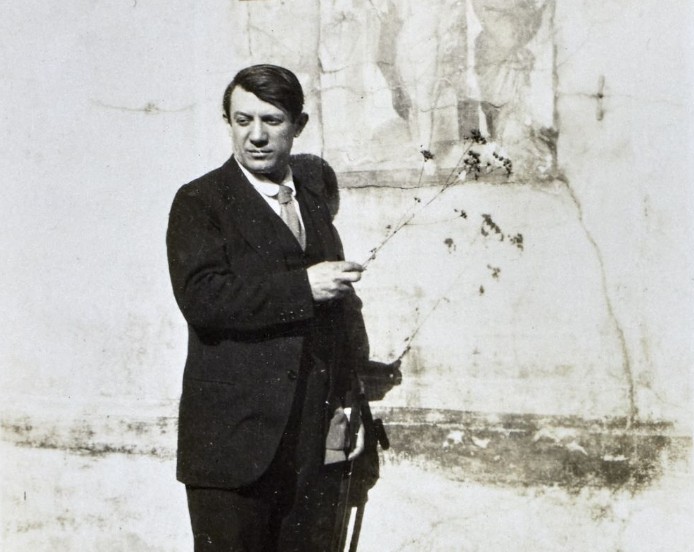
Exceptional unrecorded or unpublished photograph taken by Jean Cocteau during his stay in Pompeii with Picasso
Our investigation. « The aesthetic shock »
On April 16, 1917, Picasso visited Pompeii in the company of Jean Cocteau and dancer Léonide Massine to prepare the ballet Parade - the first work of art defined as surrealist by Guillaume Apollinaire and newest creation of Serge Diaghilev's Ballets Russes.
This Italian ‘Grand Tour’ inspired him to create a monumental painting upon his return: the stage curtain for Parade acting as a true visual signature of the ballet and marking the beginning of Picasso's neo-classical period. It is now preserved in the Georges Pompidou National Museum of Modern Art...
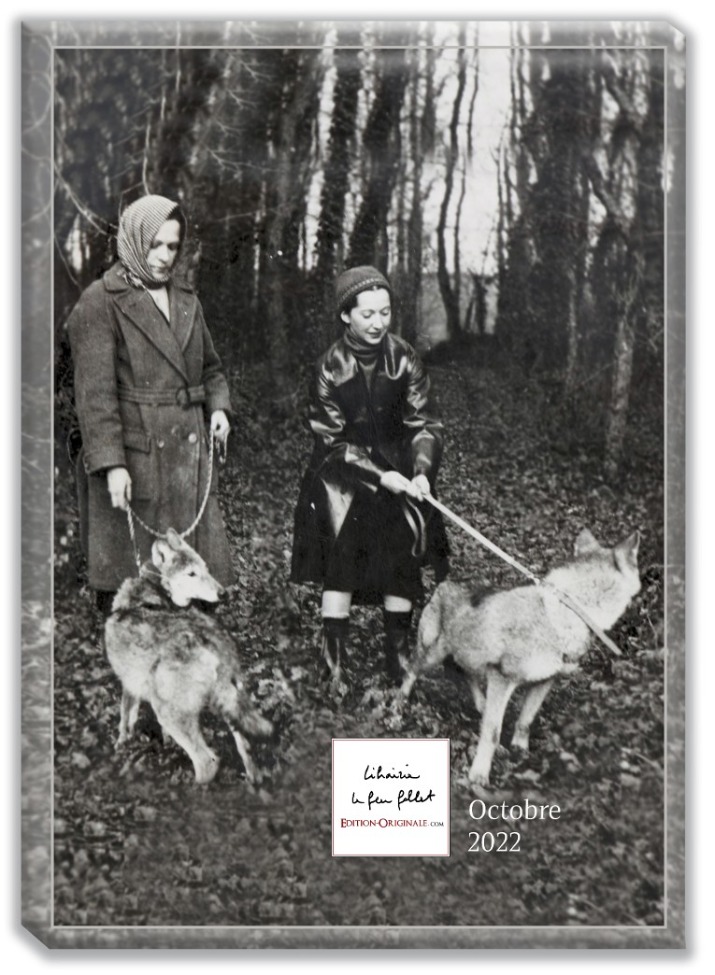
Man to Man is an arrant Wolfe… luckily women hold the leash.
Discover in the new Feu Follet catalog this original photograph of Tigy Simenon walking her husbands's wolves with her friend Caro Canaille among other bibliophilic surprises including several amusing and subtle portraits of writers by their close friend Carlo Rim, manuscripts by Artaud, London, Sartre, Vian, Zola... and rare first editions and inscribed copies from important authors.
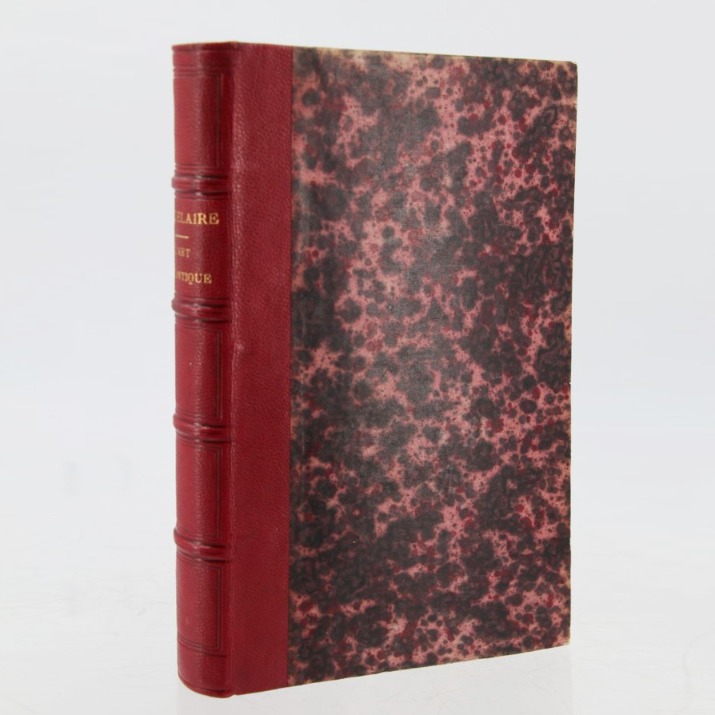
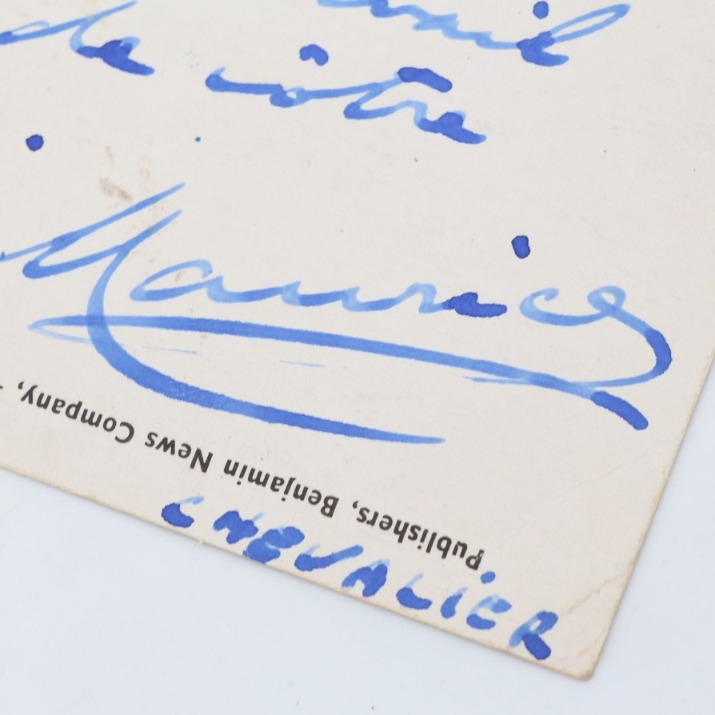
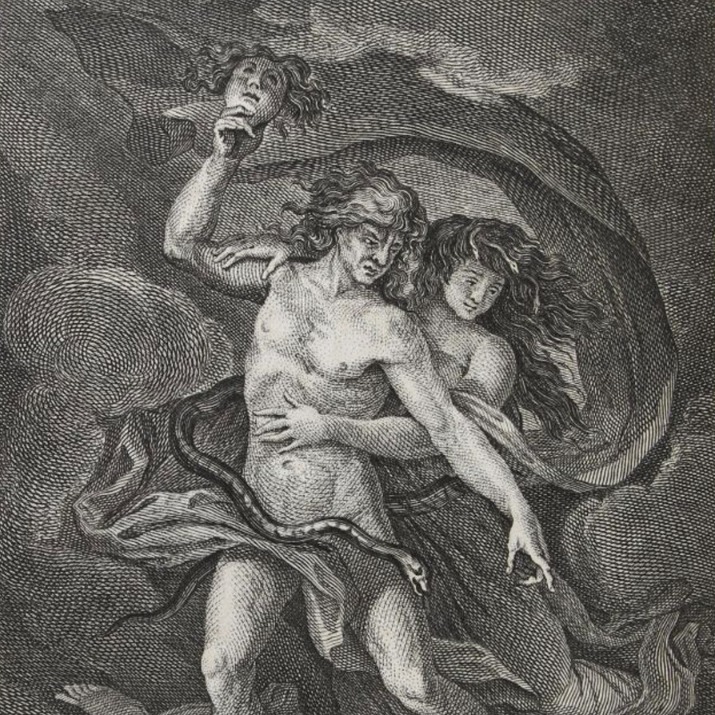
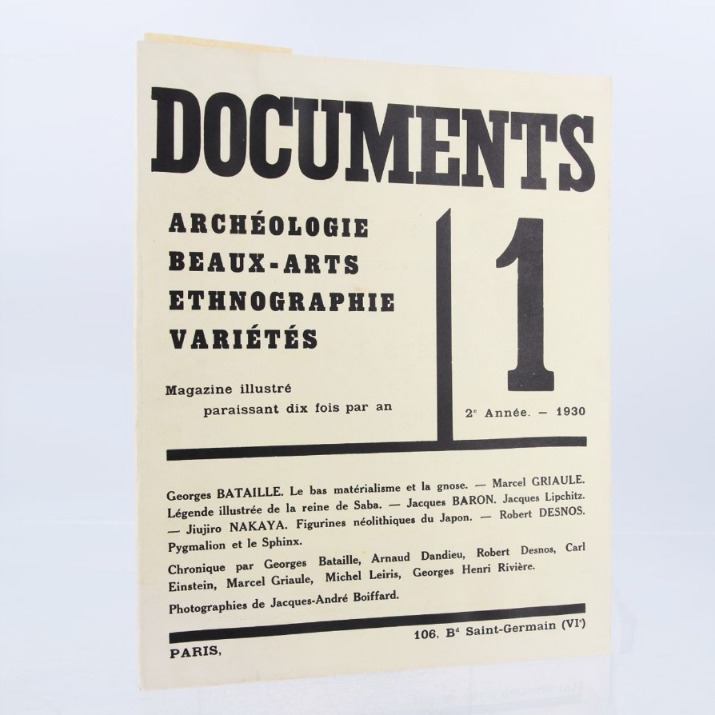
An "armoire (volante)", an "ivre (caillé)" by Yann Dugain, some "art (romantique)" courtesy of Baudelaire, a "carte (postale)" by comic Maurice Chevalier, some (dangerous) liaisons and Georges (Bataille)
_______
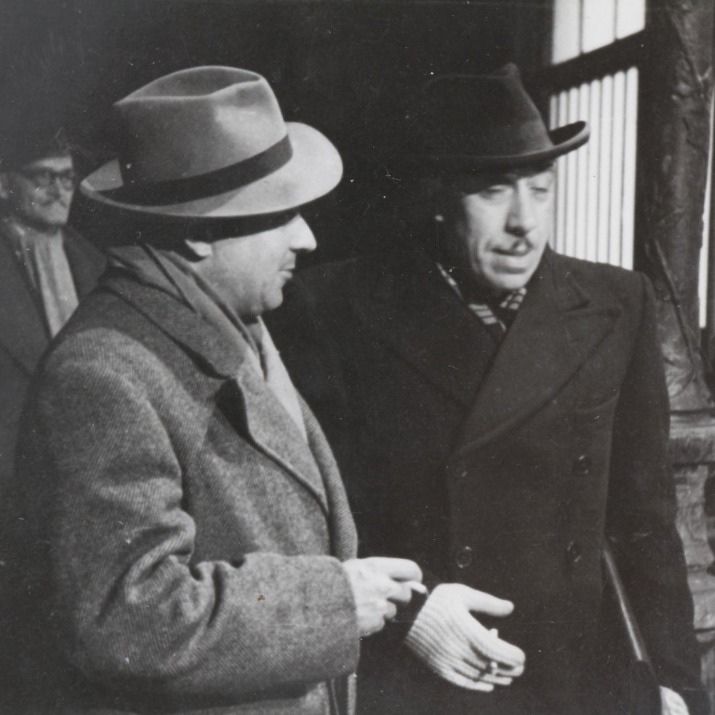
FERNANDEL & Carlo RIM
Original photograph with filmmaker Carlo Rim and actor Fernandel discussing a scene from "L'armoire volante", a Carlo Rim feature film
R. Bègue photo | Paris 1948
Original silver print. Hailing from sunny Provence, Carlo Rim was a writer and author of Ma belle Marseille, as well as a filmmaker and talented caricaturist. Friend of Fernandel, Raimu and writer Marcel Pagnol he frequently met up with artists Max Jacob and André Salmon whom he met in Sanary.
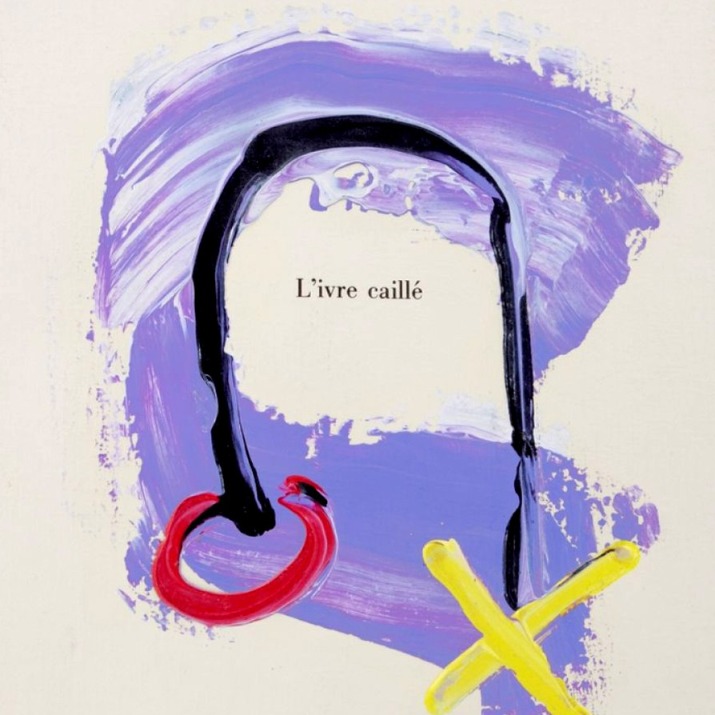
First edition printed at 300 copies and illustrated with 12 pastel drawings by Yann Dugain. Autograph penciled signature by Yann Dugain on the justification page. Autograph inscription signed and dated by Guillaume Sabran to Nadine Nimier, wife of the late Roger Nimier. Our copy contains an exceptional original painting by Yann Dugain.
Conterfeit edition from 1812 printed with the date 1796. Same pagination as the true 1796 first edition as well as the 13 illustrations and 2 frontispieces. Full red calf contemporary binding.
First edition of this important journal dealing with archaeology, fine arts and ethnography by famous contributors such as Georges Bataille and Carl Einstein.