January 29, 2015
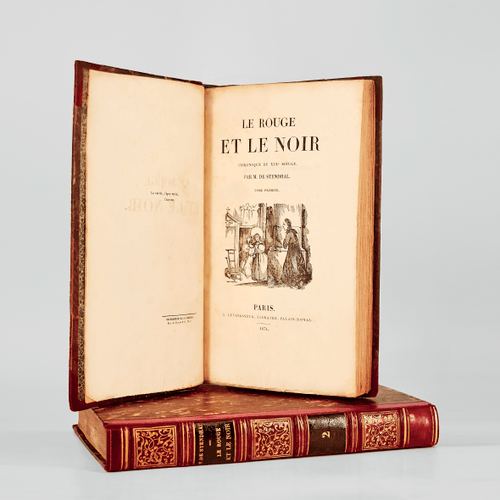
A first edition is the first printing of a text in a given state. In other words, the first impression of a work. It is sought after by collectors and bibliophiles for its rarity, specific characteristics, and the quality of its condition. It may be printed on luxury paper ("deluxe edition") and numbered, which makes it even more valuable, or on ordinary paper.
When signed by the author, it becomes all the more sought after the more renowned the author is... (see our article "What is an author's inscribed signature"). The first edition of a translation may also be sought after if the translator is renowned. A first edition is sometimes largely unavailable (Rimbaud, A Season in Hell) and in certain cases contains parts absent from subsequent editions (this is the case with Baudelaire's The Flowers of Evil, for example, in which certain poems were rewritten for later editions).
Certain typographical errors sometimes allow for the identification of a first edition (for example, the bar on "Grasset" on the cover of Swann's Way, or the error "Sénart" instead of "Sénard" in Madame Bovary). An edition is called a "pre-original edition" when the text appeared in part or in its entirety in a magazine before its publication in volume form. An editio princeps (from the Latin meaning "first") is the first printed edition of an author from Antiquity or of an author who lived before the invention of printing.